7 British Icons That Actually Aren’t British
While some nations build culture by design, Britain has often preferred the art of gentle theft… a borrowed silhouette here, a repurposed ritual there, all tied together with a wink and a weatherproof coat. At British Attire, we celebrate this patchwork spirit, not just in the garments we curate, but in the objects, ideas, and icons we hold dear.
Because to be Brit-ish is less about birthplace and more about presence. It’s a way of absorbing the world’s best bits, putting them through a drizzle-soaked filter, and calling them ours, loudly, and often in tweed. So, in that spirit, here are a few more things we’ve unofficially adopted. Some global by origin. All deeply Brit-ish by attitude.
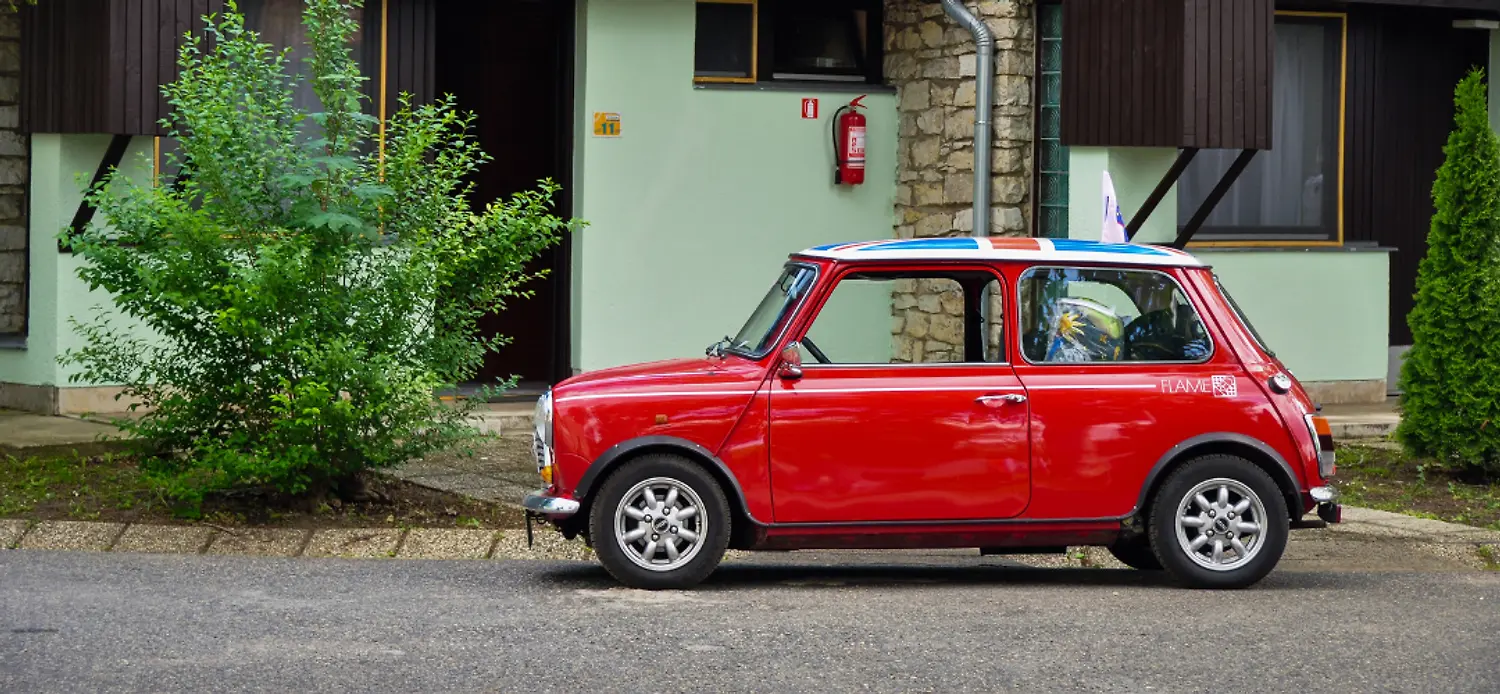 Red classic Austin Mini Cooper
The Mini Cooper
Few things feel more British than the Mini Cooper. It’s compact, charming, and slightly underpowered… much like the national mood. But beneath that cheeky Union Jack roof lies a far more cosmopolitan backstory. The original Mini was designed by Sir Alec Issigonis, a Greek engineer born in the Ottoman Empire.
It was the streets of Italy that made it sexy, thanks to a little cinematic chaos in The Italian Job, where Minis outran Polizia, leapt over staircases, and somehow became more patriotic than the King’s speech. And while it’s since been snapped up by BMW and inflated in size to rival a small bungalow, the Mini remains one of Britain’s most beloved adopted children. Proof that European collaboration can work wonders, provided it’s shaped like a shoebox and corners like a caffeinated squirrel.
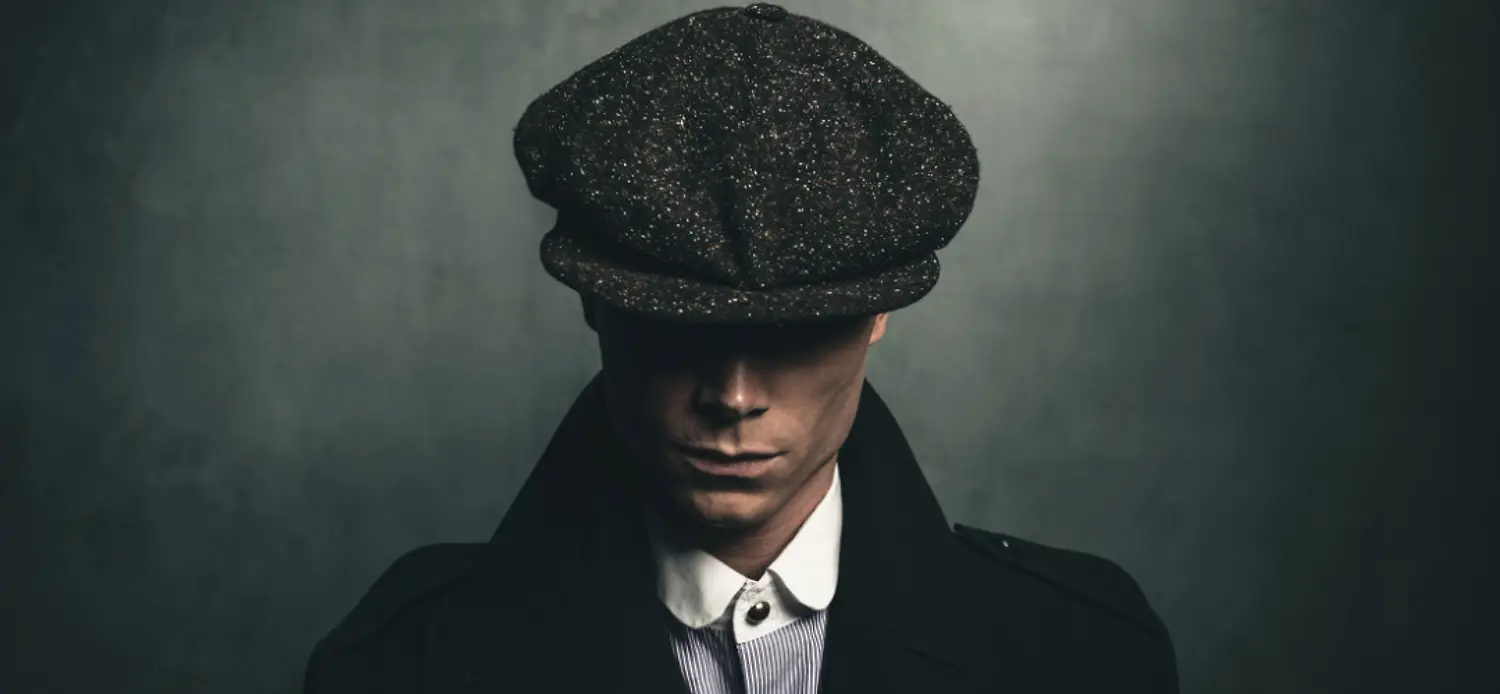 Man Wearing a Flat Cap
The Flat Cap
Still reeling from the Mini revelation? Let’s pop something on your head to keep the cultural disillusionment warm… how about a nice flat cap? Quintessentially British, right? The kind of thing worn by Yorkshire miners, 1950s footballers, and every bloke who’s recently discovered Peaky Blinders.
The earliest iterations of the flat cap appeared in Northern Italy, a region also famous for fine tailoring, balsamic vinegar, and knowing how to wear a jacket without looking like you’re off to court. From there, it migrated to Britain in the 14th century, where we promptly put it on a child chimney sweep and called it heritage. So yes, the flat cap may whisper “British”... but it whispers it with a faint Milanese accent and a double espresso.
Click here to see our full range of headwear
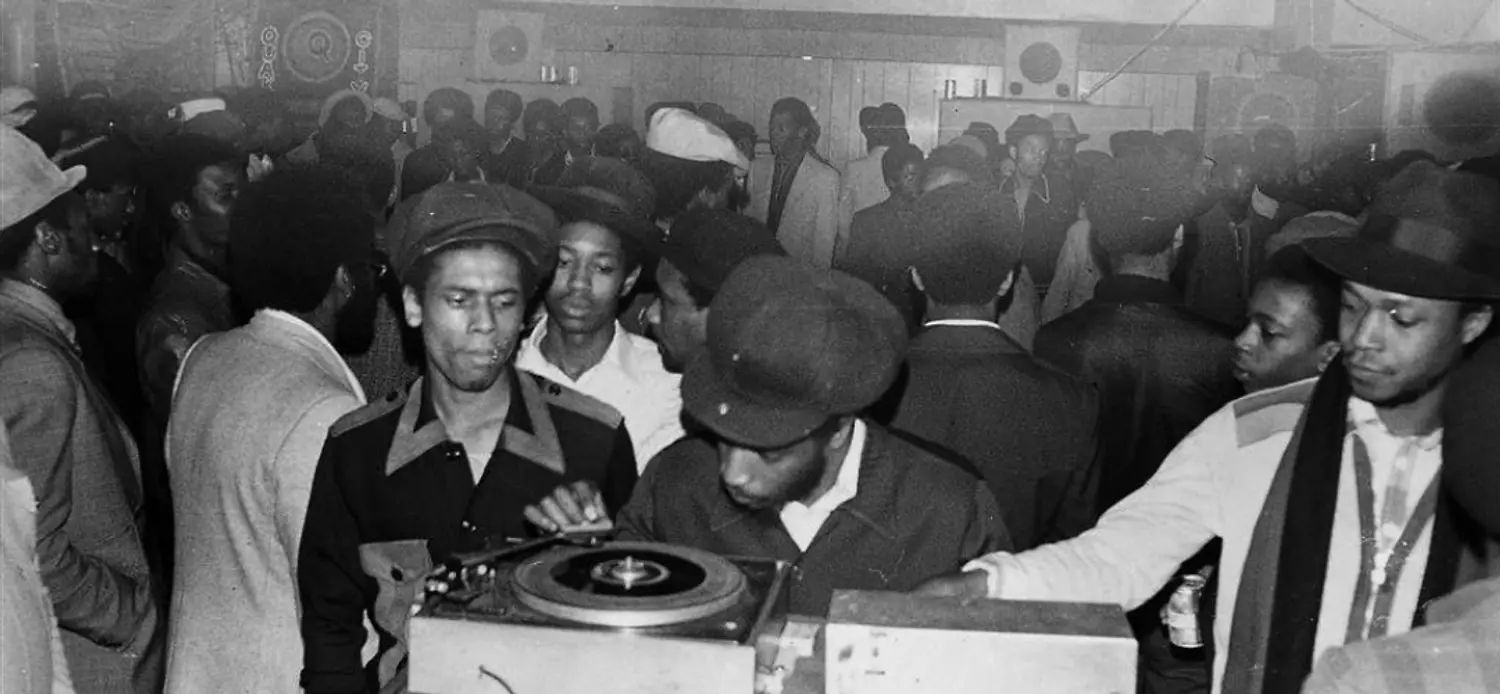 Jamaican Sound System Culture
The DJ Set
Now that your head's warm and your ego's slightly bruised, let’s step into the club, because if there’s one thing Britain knows, it’s a DJ set. But let’s set the record straight (pun intended): the very essence of British rave culture didn’t start in a field outside Swindon, it started in Jamaica.
That deep, chest rattling bass? Straight from Kingston sound systems. The selector, the MC, the crowd call and response? All lifted from dancehall parties decades before we were flailing to jungle in a car park. Even the term “sound clash” was imported, although in the UK it usually involves someone spilling Red Stripe on your trainers while screaming “rewind!”
 Top View Traditional Chinese Sunshade Umbrellas.
 The Umbrella
Time to reach for that most quintessentially British accessory: the humble umbrella. Symbol of stiff upper lips, silent commuters, and total meteorological delusion. Except… the umbrella isn’t British at all. Like tea, it arrived here wet and unwanted, until we realised it might actually be useful.
The earliest brollies came from ancient China, complete with fancy paper canopies and a bit more elegance than the crumpled tartan number in your hallway. They were popularised across Europe via Egypt, Greece, and Rome, then finally blew into Britain sometime in the 18th century, where they were met with suspicion and casual ridicule. The man who helped popularise them, Jonas Hanway, was laughed at in the street for daring to use one. Fast forward a couple centuries and now every Londoner owns three: one in their bag, one at work, and one in a hedge near Clapham Junction.
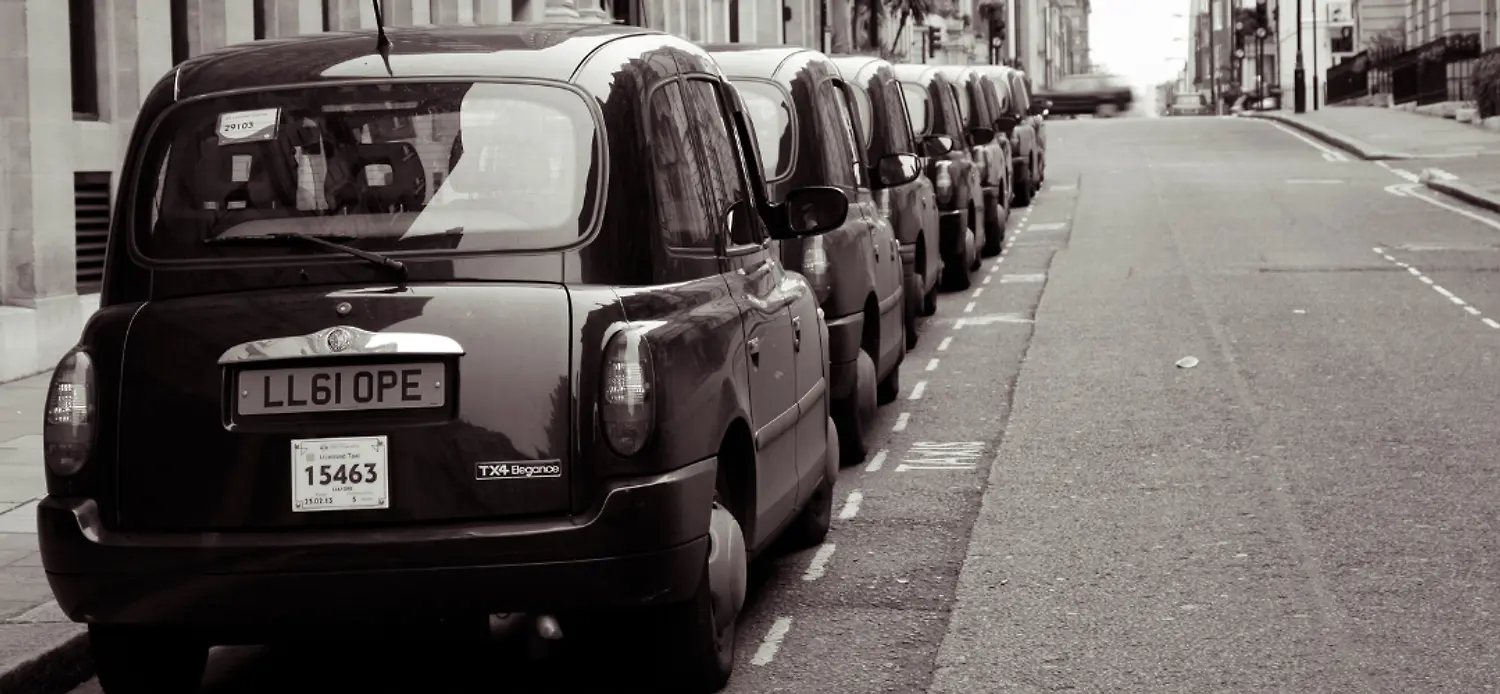 TX4 London Taxi AKA Hackney Carriage
Black Cabs
Still drying off from that umbrella fail? Good news: here comes a black cab. Your £14 a mile escape from the elements. Few things scream “British” louder than a diesel-powered London icon weaving through traffic like it owns the road.
Surprise, surprise - even these national treasures aren’t entirely homegrown. The design DNA of the modern black cab comes from a German-born engineer, was influenced by American motor coach design, and is currently assembled by a Chinese-owned company in Coventry. But that famous turning circle? Well, we can claim that in its entirety. Engineered for the narrow lanes of 1920s Soho and still the best way to execute a U-turn after realising you've just paid £35 to go 0.7 miles.
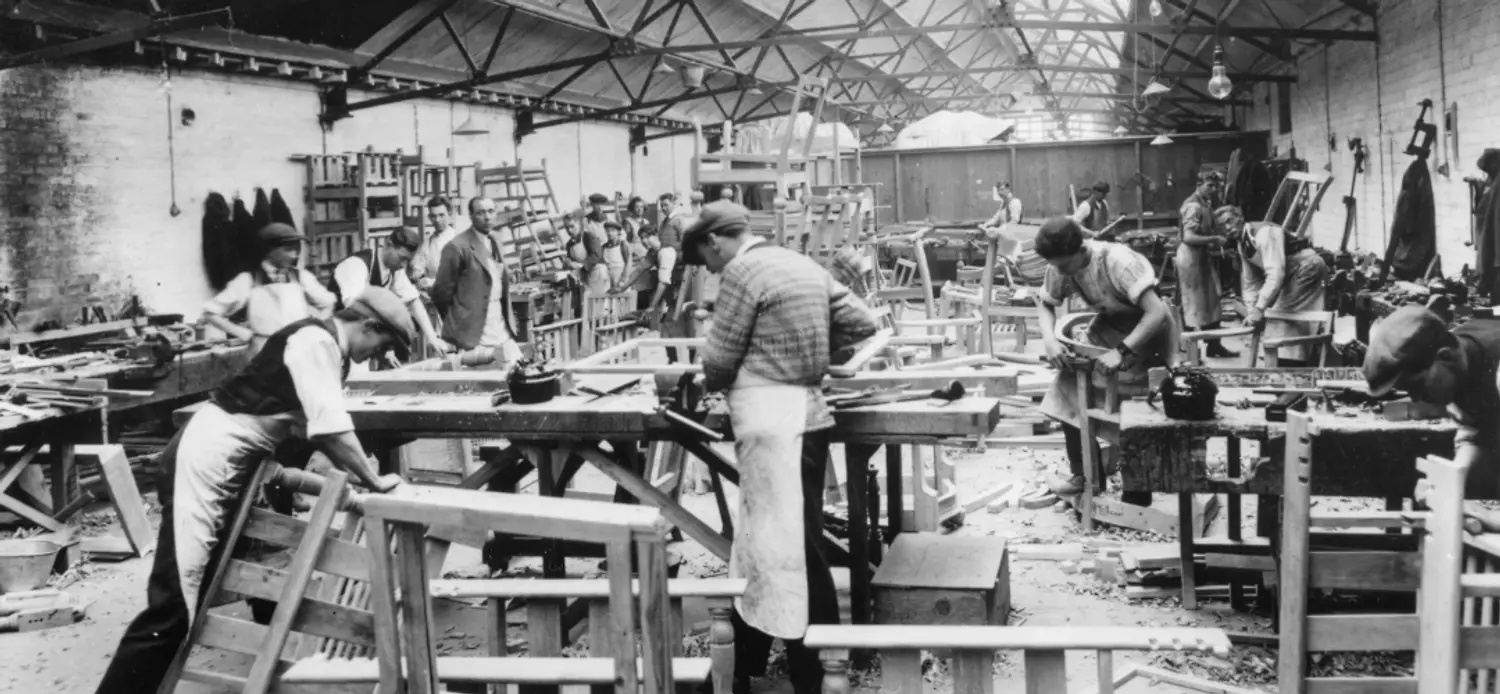 Ercol Chair Factory
 Ercol Chairs
Time to slide into something timeless, wooden, and eerily expensive… the Ercol chair. That staple of every tasteful British home that also contains a copy of Kinfolk and a coffee table book about Japanese ceramics. It’s the ultimate symbol of understated, functional British design. Found in Soho House lounges and converted barns, Ercol’s roots aren’t nestled in some damp corner of the Cotswolds. They’re Italian.
The brand was founded by Lucian Ercolani, a Tuscan-born furniture designer who moved to East London, brought a little Mediterranean precision to post-war utility, and went full Scandi before Scandi was a Pinterest board.
Today, Ercol furniture is a shorthand for taste. Minimal, heritage, expensive enough to make you say “maybe we don’t need a sofa.” British in vibe, European in soul… bit like a focaccia served with Marmite.
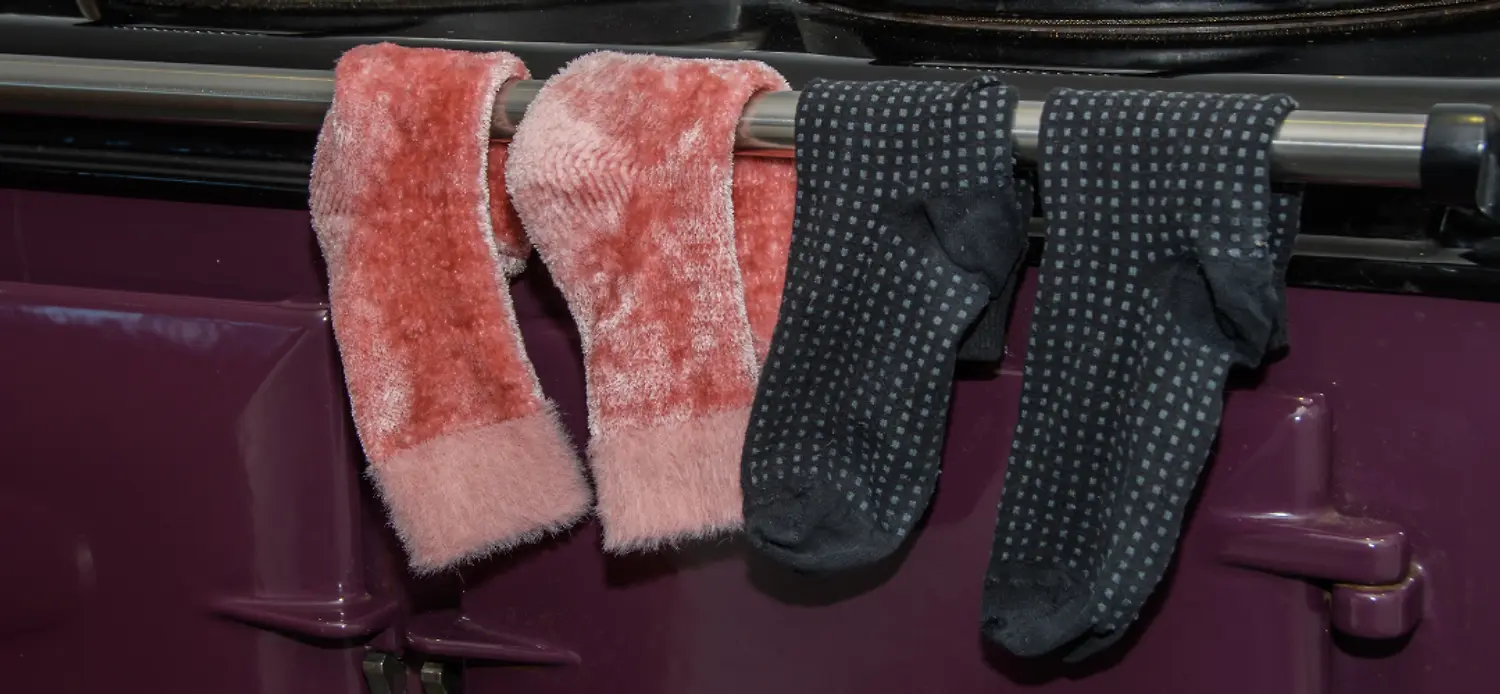 Warming Socks on an Aga
The Aga Cooker
We’ve saved the very best for last – so let’s head indoors where it’s warm, slightly too warm, and smells faintly of damp Labradors and yesterday’s stew. Ah yes, the Aga. The beating heart of every aspirational British country kitchen. More lifestyle than cooker.
This cornerstone of British domesticity was invented by a Nobel Prize-winning Swedish physicist. Yes, really. Dr Gustaf Dalén, who, in a tragic twist, lost his sight in a gas explosion and then calmly decided to reinvent the way we heat food. The result? A heavy, slow-cooking cast-iron beast designed to retain heat like a vengeful radiator.
We took one look at it and said: “Yes, but can it also warm socks?” Fast forward a few decades and now the Aga is synonymous with country houses, muddy wellies, and that specific kind of British wealth where no one’s quite sure who pays the heating bill.
And there we have it… a cross-section of items that didn’t start British, but somehow ended up riding shotgun in the national identity. From Greek-designed cars to Tuscan chairs and Swedish cookers, it turns out being Brit-ish isn’t about where something’s from, it’s about how stubbornly we adopt it, repurpose it, and roll it through a rainy postcode like we always owned it.